Showing posts with label TYPE 2 DIABETES. Show all posts

Saturday, January 26, 2019

Avoid The Top 3 TYPE 3 DIABETES AND WHAT CAUSES ALZHEIMER'S Mistakes


You know, the statistics show that one in eight people by the age of 65 start to go into cognitive decline and this is really scary, by the age of 80, one in two people are either dealing with Alzheimer's or some other form of dementia. You know, what's really interesting is that in 2005, the National Review of Medicine put out an article, identifying that in fact Alzheimer's disease really may now be considered.
Avoid The Top 3 TYPE 3 DIABETES AND WHAT CAUSES ALZHEIMER'S Mistakes
TYPE 3 DIABETES AND CAUSES

1. Type Three Diabetes and this was a shock, because most people are familiar that there are two forms of diabetes, but when the medical field started talking about there being three forms of diabetes and Alzheimer's being perhaps the third form of diabetes, it really raised a lot of eyebrows, in terms of what we can do to prevent Alzheimer's as best as we possibly can, when we're making healthy choices in our youth, before we're having to deal with it later on. So fundamentally, although we recognize that there is type one diabetes and there is type two diabetes, which is certainly recognized, well recognized within the industry as something that we do to ourselves, because we consume too much sugar, too many starchy grains and too many you know, high carb, high processed foods during our lifetime, we're recognizing that the impact of that on the brain is now equaling something that we recognize as Alzheimer's disease.

2. So what is the best way to make sure that we don't go down that path? The first thing is massively cutting the amount of sugar, that you would consume in your diet, I mean, it has been shown, for anybody who's followed natural health for the last couple of years, we know that more and more people now are moving over to what Maximized Living has always preached, which is about getting a lot of good, healthy fats into the body, you know, so you wane think about, you know, sprouted nuts, sprouted seeds, avocado, coconut, as opposed to those other less efficient forms of energy, basically coming from glucose and simple sugars.

3. Now I'm a fan of fruit, no one has ever suggested that just eating fruit itself is goanna contain the sugar, that's goanna cause you to develop type two diabetes or type three diabetes, but at least when you're eating fruit, you're getting all the fiber, the minerals, the water, all the other nutrients that are there, it's the processed sugars that we want to avoid. What we're seeing more and more is the more high, healthy fats you get into the diet and the less sugar, the better chance you have at maintaining a healthy brain, now and long term.


Learn How To Start 4 TYPES OF DIABETES MELLITUS: TYPE 1, TYPE 2, GESTATIONAL & PREDIABETES

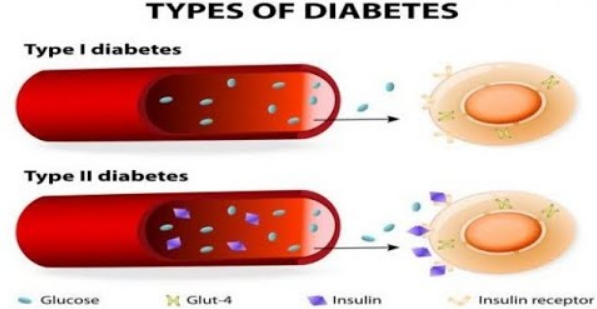
1. 4 Types of Diabetes. What is diabetes? Diabetes mellitus is a chronic, polygenic (genetically inherited) disease that is characterized by high blood sugar levels. When a person has diabetes, the body is also unable to appropriately respond to insulin, or may not be able to produce the hormone at all.

2. This insulin-sensitivity or deficiency leads to an abnormal metabolism of carbohydrates in the body, resulting in high blood sugar (glucose) levels. Because insulin plays a vital role in the absorption of glucose in the body and in its expenditure, the instability in the function of this hormone is what causes the various symptoms of diabetes. Types of diabetes. There are two major types of diabetes and although other forms exist, the two main forms are responsible for majority of all diabetes-related deaths. Type 1 diabetes.
Learn How To Start 4 TYPES OF DIABETES MELLITUS: TYPE 1, TYPE 2, GESTATIONAL & PREDIABETES
4 TYPES OF DIABETES MELLITUS

3. Also known as juvenile diabetes, type 1 diabetes is an autoimmune disorder marked by the bodys immune system fighting against the cells in the pancreas which produce insulin. As a result, it becomes difficult for the body to produce insulin. This type of diabetes usually occurs during adolescence, typically before the individual reaches 20 years of age. Type 2 diabetes. Type 2 diabetes is the most common type of diabetes.

4. This type of diabetes is typically caused by a sensitivity or resistance to insulin in the body. It happens when the body produces insulin, but there is a wrong response to the hormone. Over time, the body may stop producing insulin as the hormone receptors break down. Basically, type 2 diabetes is caused by hyperglycemia, or a condition of high blood sugar. Other forms of diabetes are prediabetes and gestational diabetes which majorly affects pregnant women. In our next video, we will examine common symptoms of diabetes.


5 Romantic BACON, EGGS, AND GESTATIONAL DIABETES DURING PREGNANCY Ideas


"Bacon, Egg and Pregnancy Diabetes" Pregnancy diabetes, i.e. high blood sugar, which develops during pregnancy, is one of its most common complications. Pregnancy diabetes is associated with excessive growth of the fetus, infant mortality, preeclampsia (which may endanger the mother's health) and various serious birth defects.
5 Romantic BACON, EGGS, AND GESTATIONAL DIABETES DURING PREGNANCY Ideas
BACON, EGGS, AND GESTATIONAL DIABETES

We can do something, to prevent it? Harvard Nurses’ Health Study found that eating meat before pregnancy increased the risk development of diabetes during pregnancy. She indicated they could stand for it cancer-producing nitrosamines present in bacon and other processed meat. It is possible that they are nitrosamines toxic for insulin-producing cells. This can explain why ham and other processed meat can play role in triggering type 1 diabetes. The increased risk was, however, found also in the consumption of unprocessed meat.

Thus, glycotoxins may be a problem, finished products advanced glycations that form in the meat and cause the inflammation that has been associated with the onset of pregnancy diabetes. Recently, however, the attention turned to the hem iron contained in animal food. Higher home iron intake before the onset of pregnancy is associated with an increased risk of pregnancy diabetes. Earlier we learned that income hem iron from animal food is associated with increased risk Type 2 diabetes in women. As far as pregnancy diabetes is concerned however, did not know until the study was completed. It is important to say that the increased risk Type 2 diabetes was associated only with iron of animal origin.

Greater amount of iron from plants or non-hem iron problem did not work. We think it's an incompetence our bodies to regulate absorption blood iron as well as other iron. Permanent excessive iron intake then it can lead to its excess in the body. The same was found in pregnancy diabetes. The level of iron in the blood was linked up to three times the risk. As for non-hem, possibly vegetable iron, it was found that its effect is the opposite is rather protective. In any case, why do pregnant vegetarians pregnancy diabetes much less.

However, this study was conducted in India, where veggies do not consume eggs. According to a recent Harvard study he was higher intake of animal fat and cholesterol prior to pregnancy with an increased risk of pregnancy diabetes. Replacement of 5% calories from carbohydrates 5% of calories from animal fat was associated with 13% increased risk of pregnancy diabetes. But if it is not only animal fat, but also cholesterol, then we would expect that the eggs will increase the risk pregnancy diabetes as well.

However, it was testing submitted only recently. Risk of pregnancy diabetes in relation to the mother's egg intake. It seems the more egg woman before pregnancy and during the first part of pregnancy they ate, the higher they risk developing diabetes during pregnancy. These findings are consistent with other studies documenting relationships between cholesterol intake and the development of classical type 2 diabetes in men and pregnant women.

Women who develop pregnancy diabetes, they even have about 7 times more likely, that later in life they will have type 2 diabetes. Therefore, pregnancy is seen as a period from which we can learn. Pregnant women are often highly motivated to change your life in favor of health himself and his descendants. Therefore pregnancy can be a great opportunity to short-term and long-term changes in habits. This is an opportunity for the provider health care providers who can women in the right direction and instilling healthier habits.